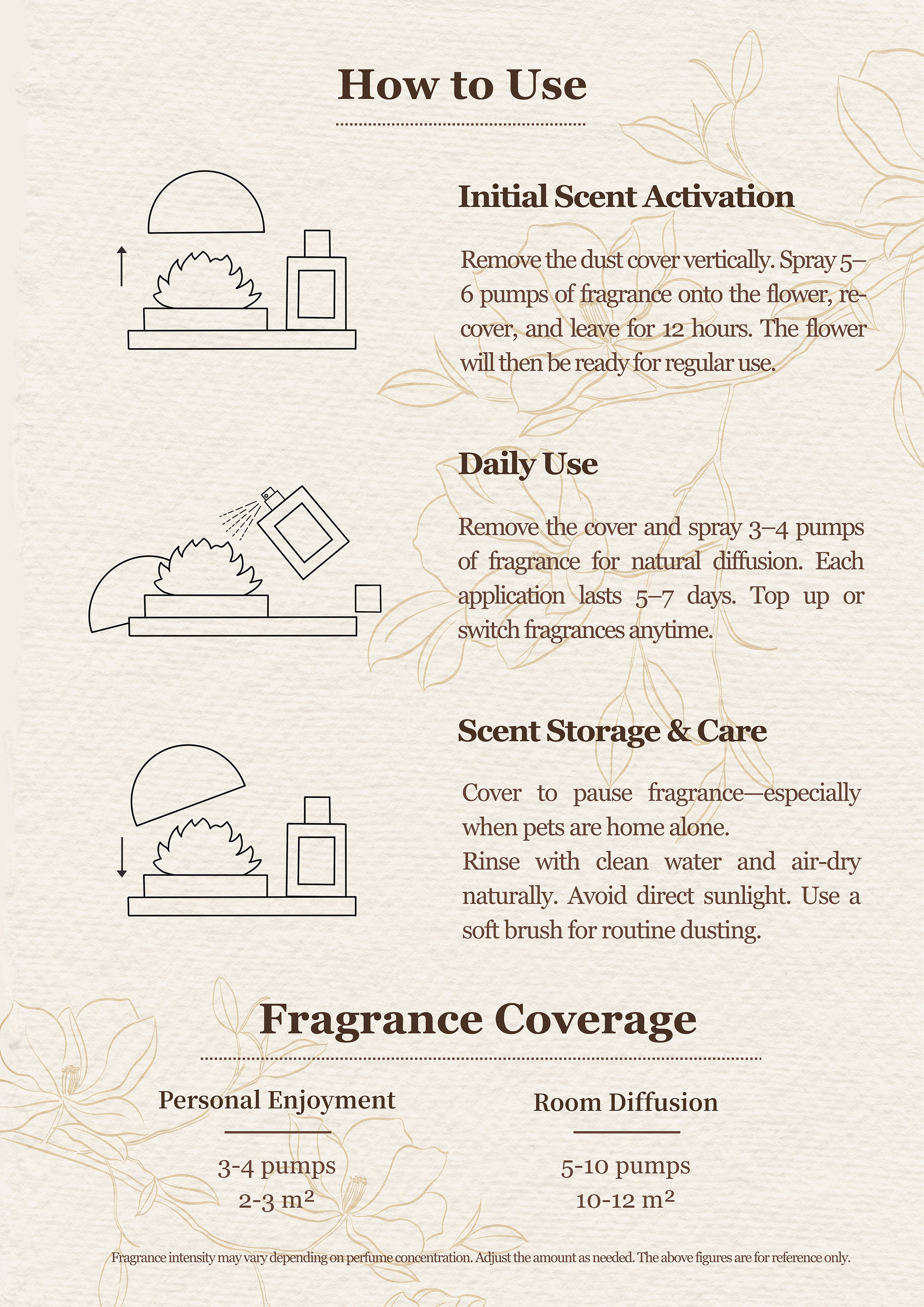
-
0
My Cart{{item.promotion_name}}{{ presentmentCurrencyPriceFormat(item.total_price_with_addon)}} {{ presentmentCurrencyPriceFormat(item.price * item.qty)}}{{ presentmentCurrencyPriceFormat(item.net_price * item.qty)}} {{ presentmentCurrencyPriceFormat(item.price * item.qty)}}{{item.name}} ({{item.variant_name}})Qty: {{ item.qty }}{{ presentmentCurrencyPriceFormat(addon_item.net_price * addon_item.qty)}} {{ presentmentCurrencyPriceFormat(addon_item.price * addon_item.qty)}}{{addon_item.name}} ({{addon_item.variant_name}})Qty: {{ addon_item.qty }}Sub-total:{{ presentmentCurrencyPriceFormat(cart['subtotal']) }}You have no items in your cart !
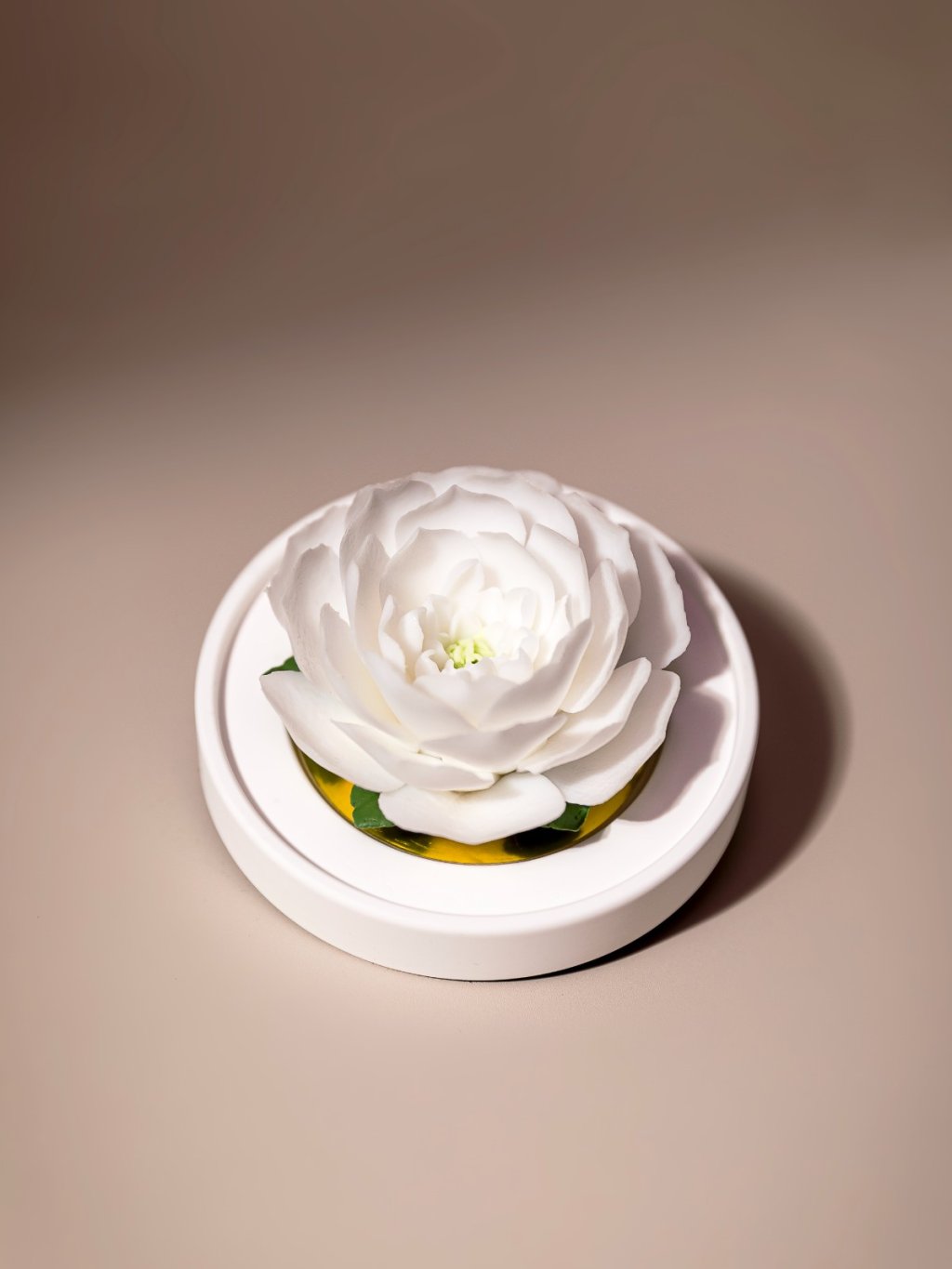
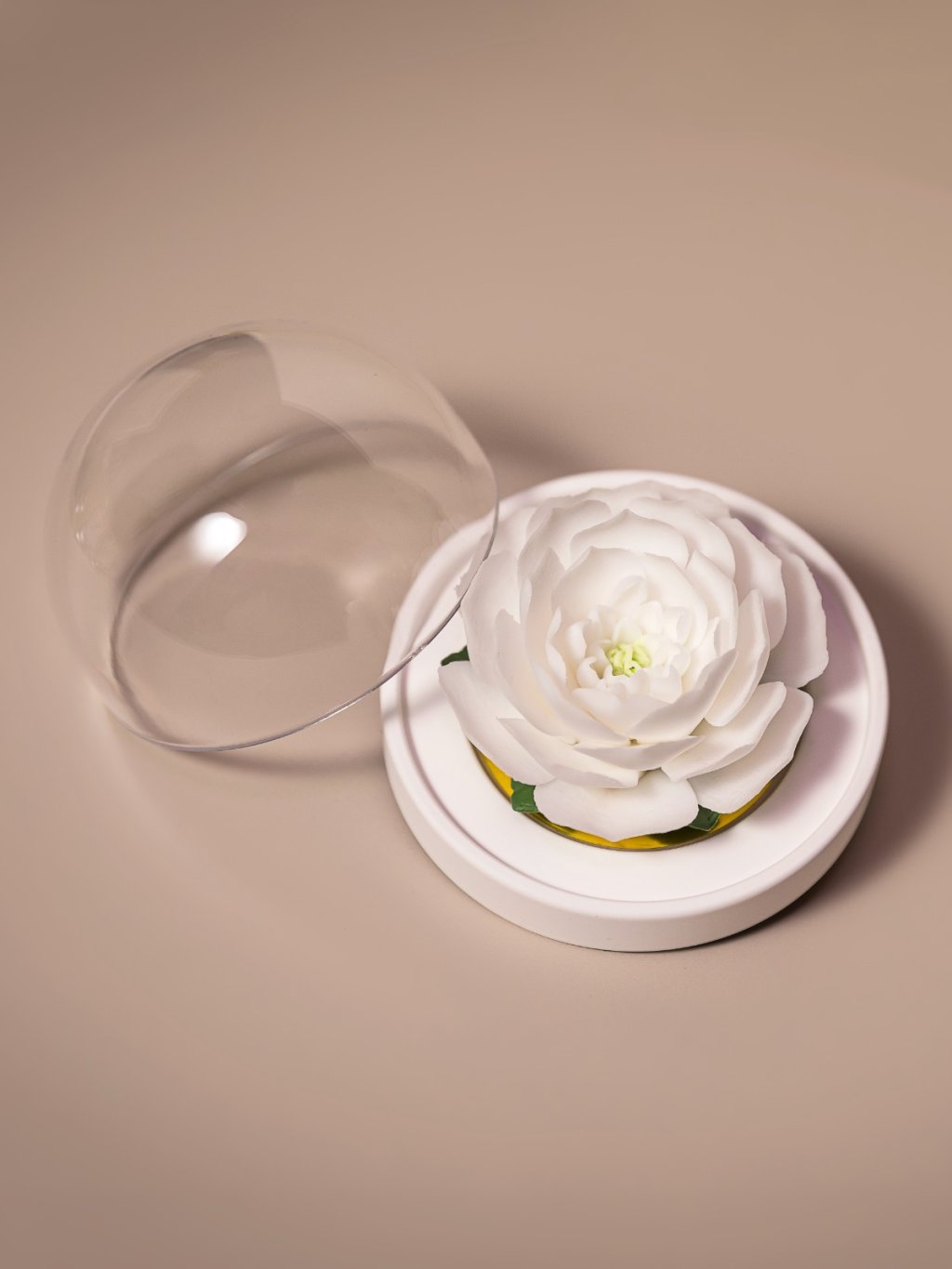
Intangible Cultural Heritage Porcelain Flowers | An Introduction to Dehua Hand-Kneaded Porcelain Flower Craft
【 Origins and Inheritance of the Craft】
The porcelain flower craft dates back to three-dimensional floral ornaments from Ding Kilns of the Northern Song Dynasty. Driven by the refinement of Dehua white porcelain techniques, it reached its golden age during the Ming and Qing dynasties. Using porcelain clay as raw material, artisans master eight core techniques — kneading, shaping, carving, hollowing, pasting, joining, pressing and trimming — to eternally capture the vivid charm of natural blossoms in clay.
To this day, the craft is passed down entirely by hand. There are fewer than 30 master artisans nationwide. It takes an average of 144 hours to complete a single porcelain flower, with a finished yield rate below 40%. Every piece embodies a devotion forged through precision measured in millimeters.
【Production Process – 53 Steps, Forged by Fire】
Clay Selection & Kneading
Premium Dehua kaolin clay is selected and kneaded repeatedly until smooth and uniform, with all air bubbles eliminated to prevent cracking during firing.
Petal Rolling & Forming
Clay is rolled, twisted and pressed into petals thick at the center and thin at the edges. The thinnest edge measures merely 0.8 millimeters, as delicate as a cicada's wing; even slight excess finger pressure will break it.
Vein Detailing
Bamboo knives, fabric and other tools are used to carve vein patterns on petals and roll fine textures for stamens, replicating the organic texture of real flowers.
Layered Assembly
Petals are bonded layer by layer starting from the stamen outwards. A single porcelain peony requires over a hundred separate petals arranged in staggered layers to create a full, three-dimensional silhouette.
Hand Tinting & Glazing
Colored clay is blended manually and applied to petals to create soft natural gradients, avoiding the stiff, flat look of machine-dyed coloration.
High-Temperature Firing
The assembled flower is fired in a kiln at 1380°C. Under extreme heat, the porcelain clay densifies and transforms into an everlasting bloom that never fades.
【From Artworks to Daily Aesthetics】
Porcelain flowers were traditionally used as decorative ornaments and tea set accessories. Today, they take on a new function as fragrance diffusers:
Dense yet microporous, Dehua porcelain absorbs scents and releases them slowly, blending practical function with ornamental beauty.
The layered petal structure maximizes the scent diffusion area for even, gentle fragrance dispersion, making it a tangible Eastern aesthetic you can smell.